

Homa Bay County People's Adaptation Plan
Introduction
Nestled in Kenya's ecologically sensitive Lake Victoria Basin, Homa Bay County faces complex climate challenges—including flooding, drought, and rising urban heat, exacerbated by poverty, inadequate housing and lack of public services, in particular in informal settlements.
Supported by the Global Center on Adaptation, and in partnership with Akiba Mashinani Trust and Suez Consulting, the County has pioneered Kenya's first locally led, climate-resilient development framework: the Homa Bay Municipality People's Adaptation - Local Physical and Land Use Development Plan (2025-2035).
The initial goal of developing People's Adaptation Plans for the informal settlements in the County was scaled up to develop a land use plan for the Municipality upon the request of Homa Bay's dynamic Governor Gladys Wanga. The comprehensive and integrated ten-year development Plan was developed with the strong leadership of both the County Government and its most vulnerable citizens. It was informed by highly localized data collected by the communities themselves, and through climate risk assessments and situational analyses of physical environment, demographics, infrastructure, socio-economic conditions, and governance.
The Plan will guide investments by the African Development Bank's National Urban Water Supply and Sanitation project, and, following approval by the Homa Bay County Assembly, by the County and national governments.
Homa Bay Municipality People’s Adaptation – Local Physical and Land Use Development Plan (2025 – 2035)
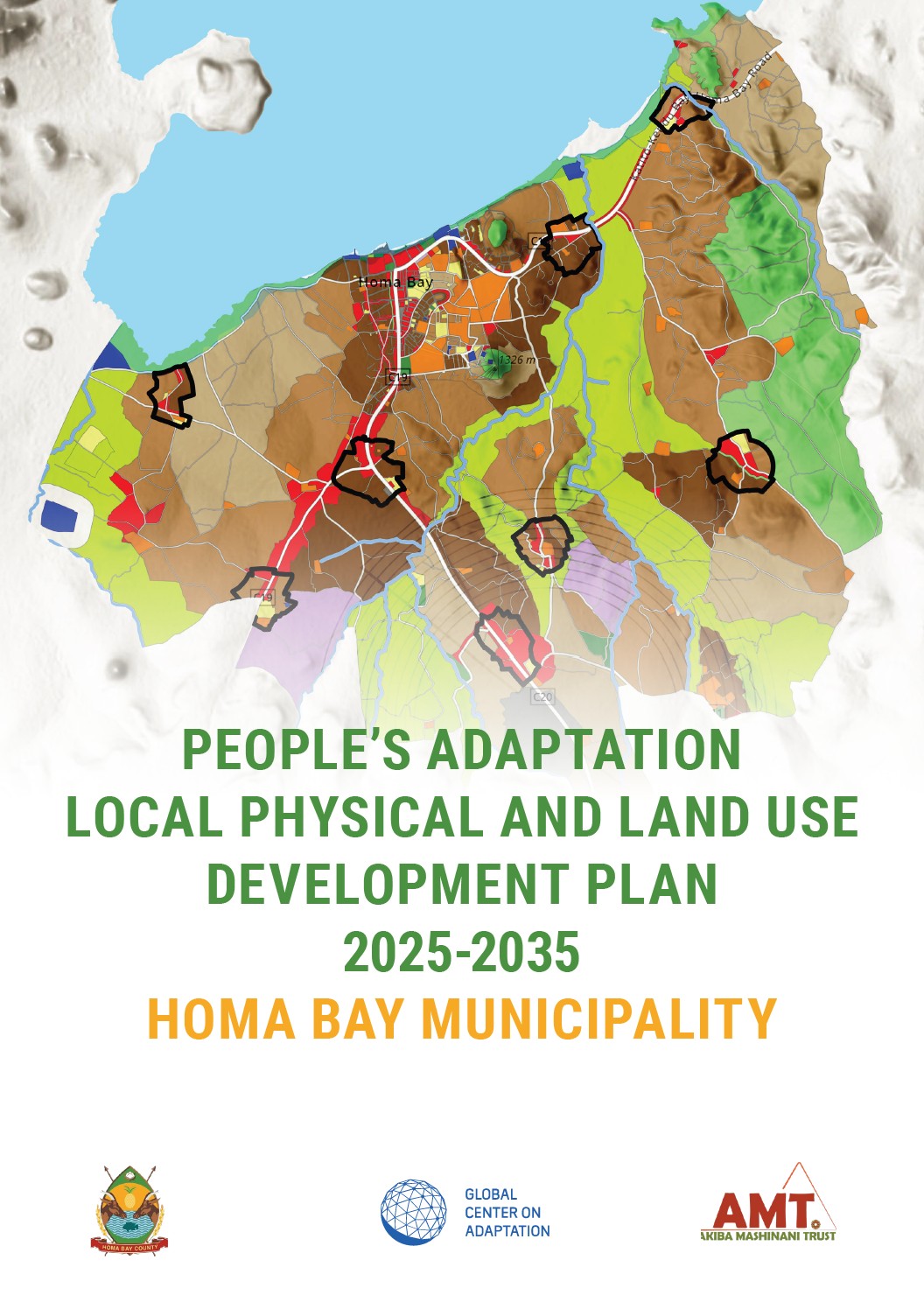
People's Adaptation Plans
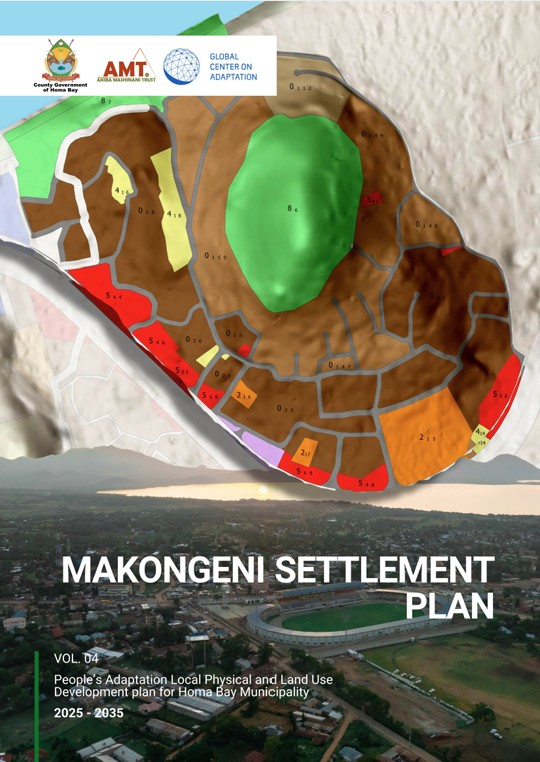
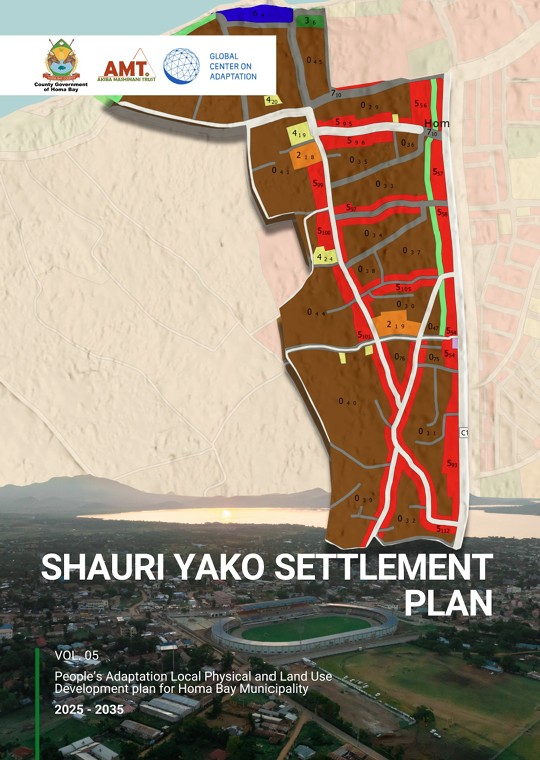
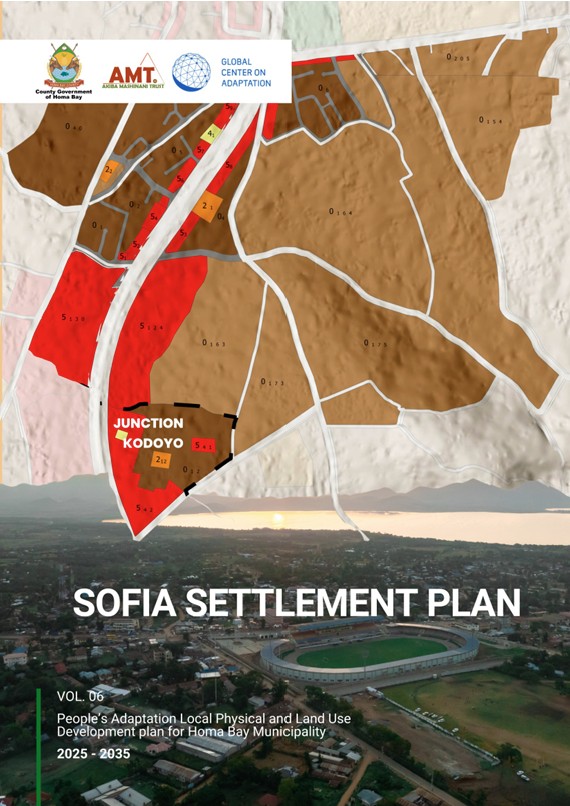
People's Adaptation Plans were developed for the three informal settlements within Homa Bay Municipality—Makongeni, Shauri Yako, and Sofia—as part of the Homa Bay Municipality People's Adaptation - Local Physical and Land Use Development Plan (2025 - 2035).
Situational Analysis Reports
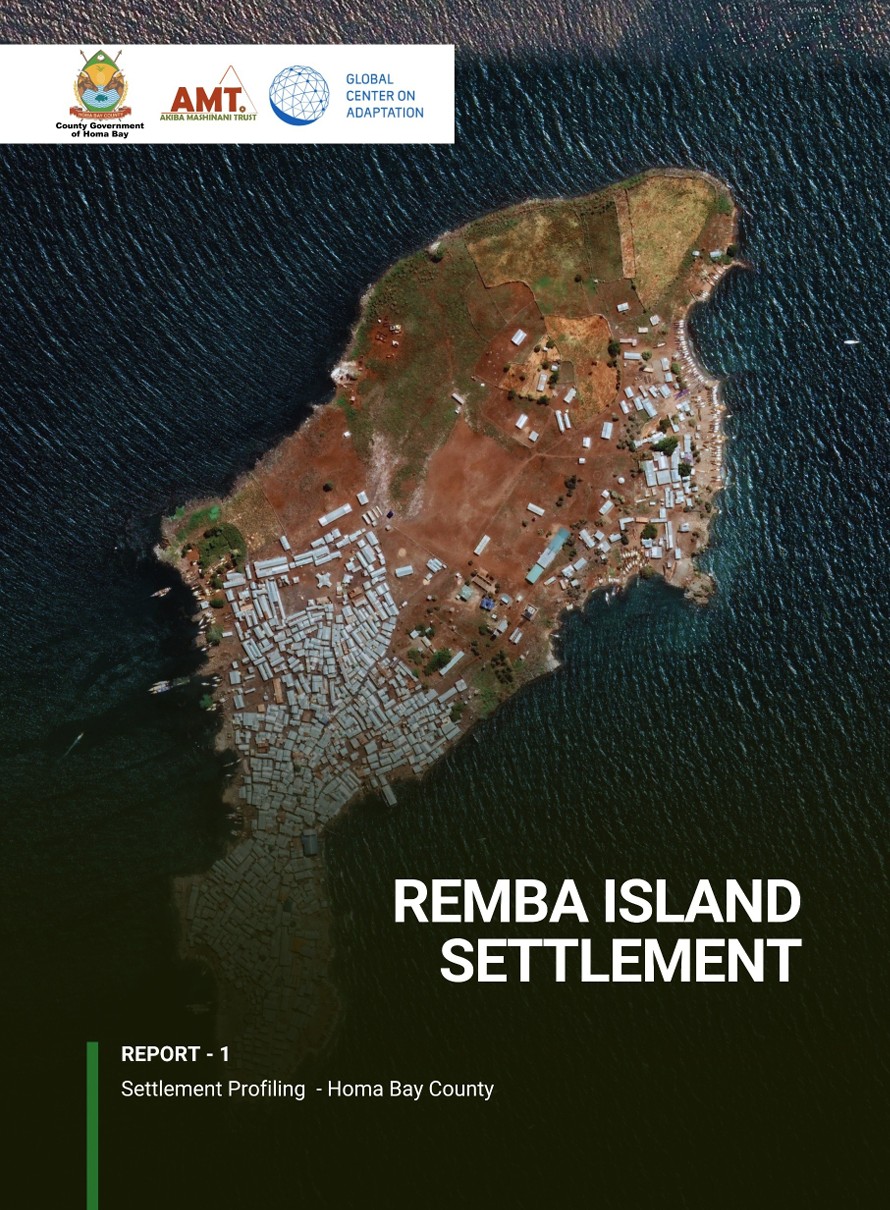
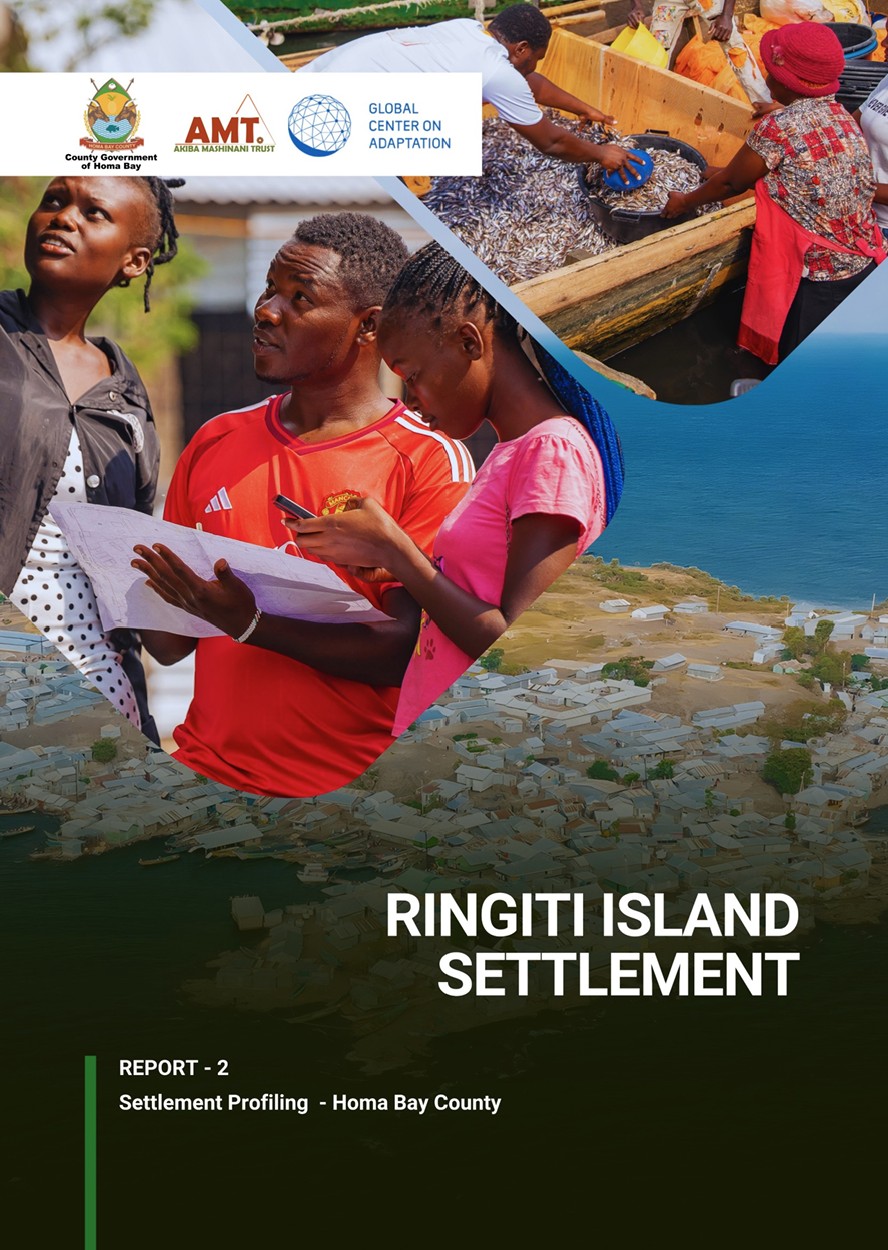
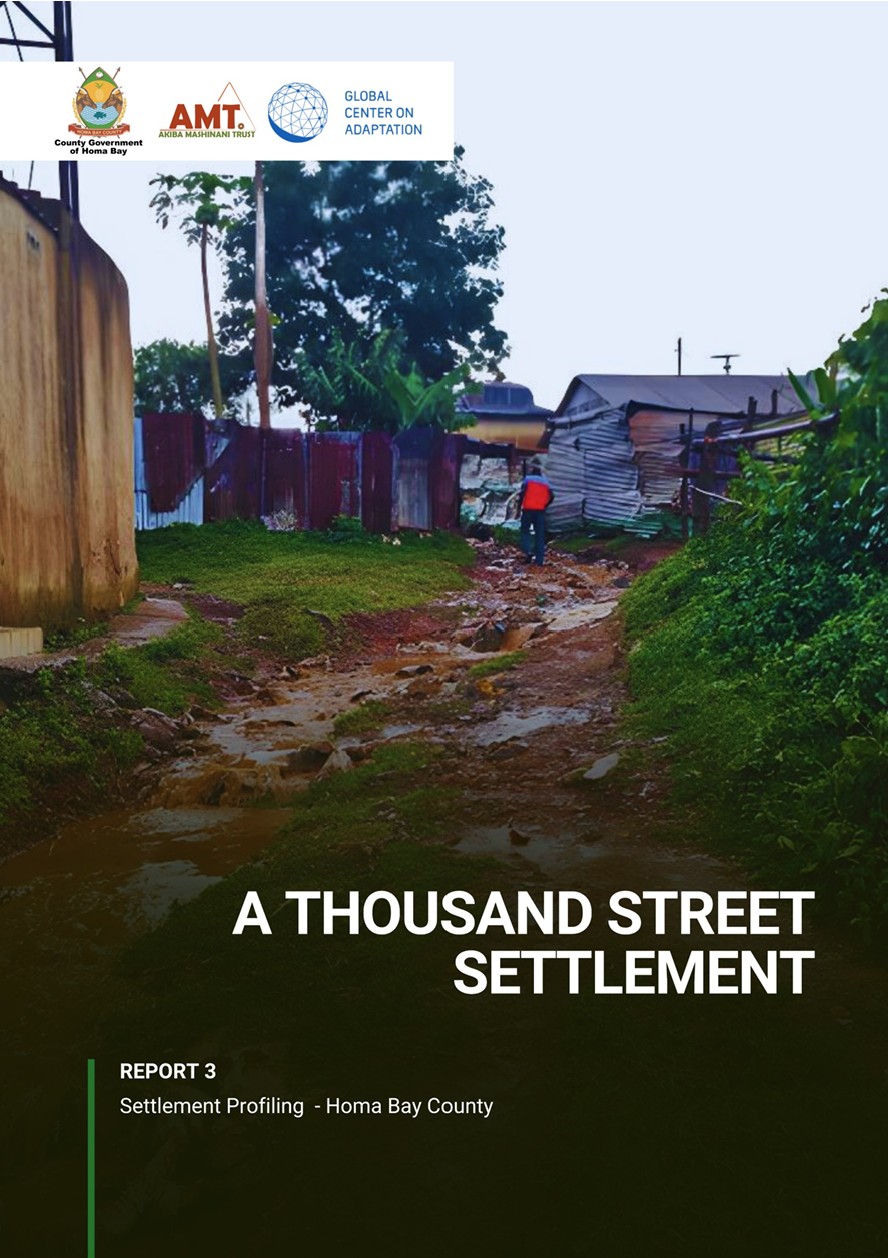
Situational analysis reports were also developed for three additional informal settlements that lie within Homa Bay County, but outside of the Municipality: Remba Island, Ringiti Island and A Thousand Street.
Timeline
October 2025: Official Handover of the Plan to the County Government
.jpg)
An official handover of the Homa Bay Municipality People's Adaptation - Local Physical and Land Use Development Plan (2025 - 2035) to the Homa Bay County Government was organized, and was attended by senior county officials, community representatives, and non-state actors active in the municipality. The Plan now awaits formal transmission to the County Assembly for approval, after which an official launch will be organized to mark the start of implementation.
Learn more
August to October 2025: Launch of Draft Municipality Plan for Public Comment
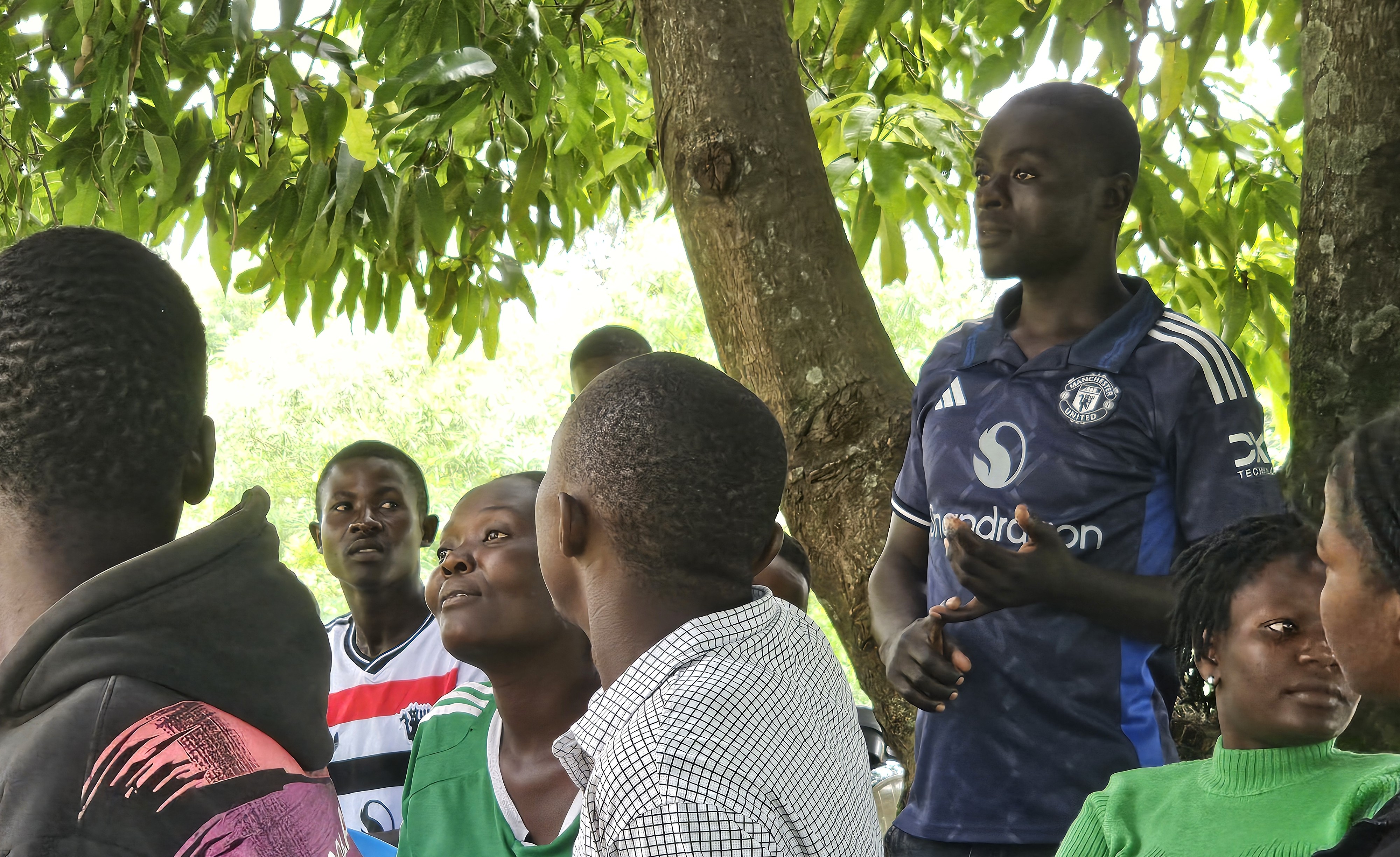
The first draft of the Homa Bay Municipality People's Adaptation - Local Physical and Land Use Development Plan (2025 - 2035) was launched for public comment. In accordance with Kenyan law, the Plan was open for public input during a 60-day period, ensuring both transparency and inclusivity in the planning process.
August 2025: Development of the People's Adaptation Plans
-1755087618.jpg)
A preliminary write shop was held to draft the People’s Adaptation Plans for Makongeni, Sofia and Shauri Yako, featuring tailored proposals for each settlement and overarching strategies for the municipality. Short, medium, and long-term interventions were delivered to address vulnerabilities related to water and sanitation, waste management, housing, livelihoods, and environmental conservation. Engagement with communities and local institutions were undertaken to refine datasets, foster local ownership, resulting in a final plan that is grounded in local realities.
Learn more
July 2025: Capacity Strengthening for County and Tom Mboya University Staff
-1755087732.JPG)
GCA, with support from SUEZ Consulting, delivered a capacity-building training over a four-day period on locally led planning and climate risk assessments to thirteen staff members from Homa Bay County and Tom Mboya University.
Learn more
April to July 2025: Situational Analysis and Validation Workshops
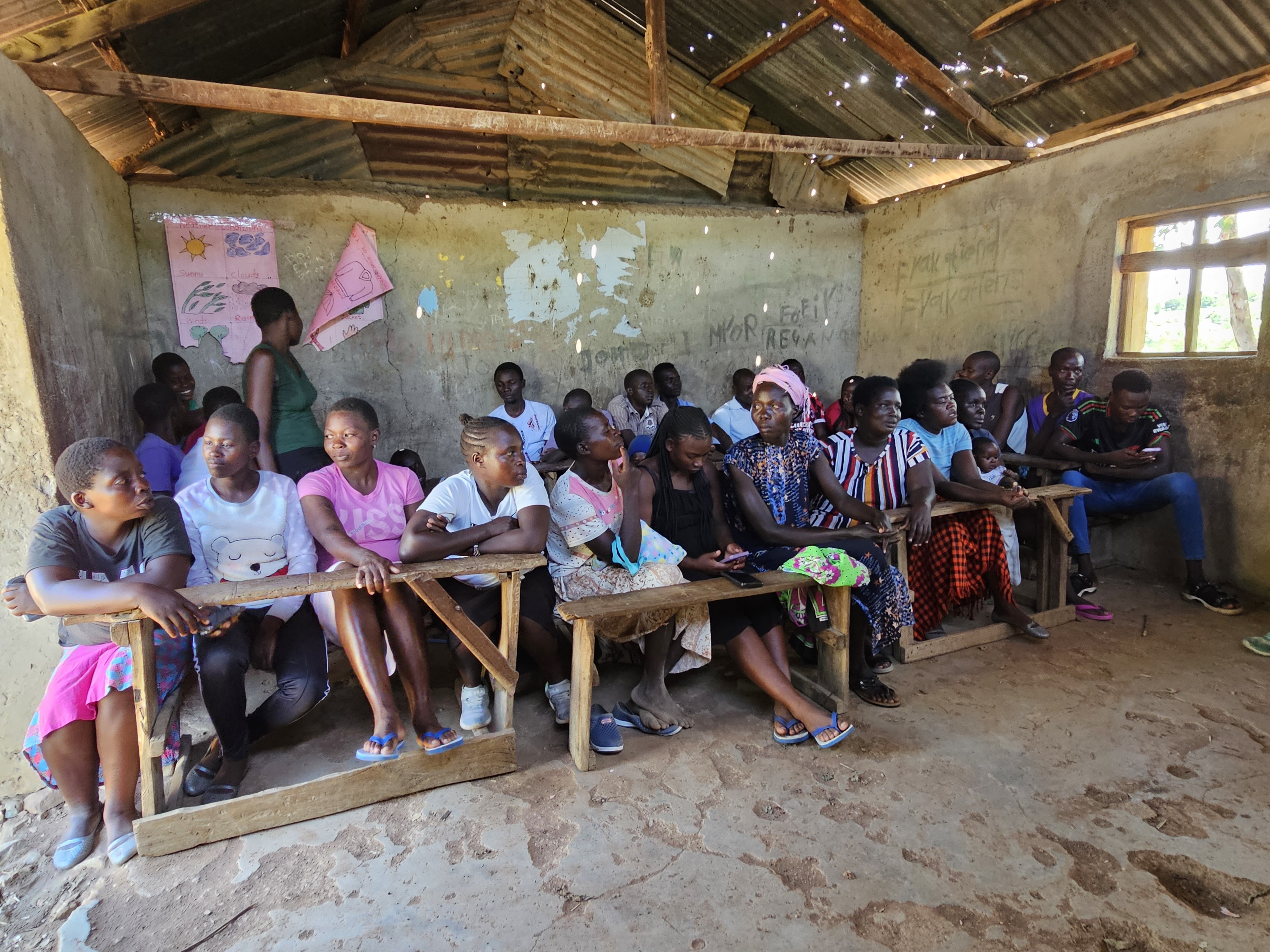
Based on the data collected, comprehensive situational analysis reports were prepared for each informal settlement, detailing their physical environment, demographics, infrastructure, socio-economic conditions, and governance. These reports were presented directly to the communities in iterative workshops, where technical experts facilitated discussions to help residents define their priority adaptation needs and investment pathways. Intentional safe spaces were created for women, youth, and disabled participants to articulate their unique climate-related risks and co-create adaptation solutions that truly align with their needs.
February to May 2025: Rapid Climate Risk Assessment
In parallel to the community data collection, GCA, in collaboration with SUEZ Consulting, conducted a rapid climate risk assessment of Homa Bay to assess key climate hazards, exposure and vulnerabilities for each of Makongeni, Shauri Yako, and Sofia informal settlements, and propose actionable recommendations to support local climate resilience.
Learn more
November 2024 to March 2025: Community Data Collection
-1755087964.jpg)
26 community "co-researchers" from Makongeni, Shauri Yako, and Sofia informal settlements were trained to conduct a comprehensive enumeration, numbering, and mapping of 29,986 households across the settlements. This detailed process involved administering structured questionnaires to gather vital socio-economic data, household demographics, service access, and information on climate impacts. This step was crucial in capturing both qualitative and quantitative data, providing a comprehensive understanding of the community’s needs and vulnerabilities.
October to March 2024: Tom Mboya University Supports Planning and Data Collection
-1755089521.jpg)
Tom Mboya University agreed to support the planning process by engaging students and faculty in the data collection and analysis processes. This included the provision of academic resources and assistance in preparing sector-specific situational analysis reports, building on local knowledge of the planning process and enhancing the university’s capacity to support similar processes in the future.
October 2024: Homa Bay County Issues Notice of Intention to Plan
-1763981032.jpg)
The Homa Bay County Government issued a Notice of Intention to Plan, a formal gazette notification of its intention to develop a Local Physical and Land Use Development Plan, formalizing its commitment to use the data, local knowledge, and information generated by and from the community during the locally led People's Adaptation Planning process to build climate resilience.
Learn more
October 2024: Akiba Mashinani Trust Signs MoU with Homa Bay County
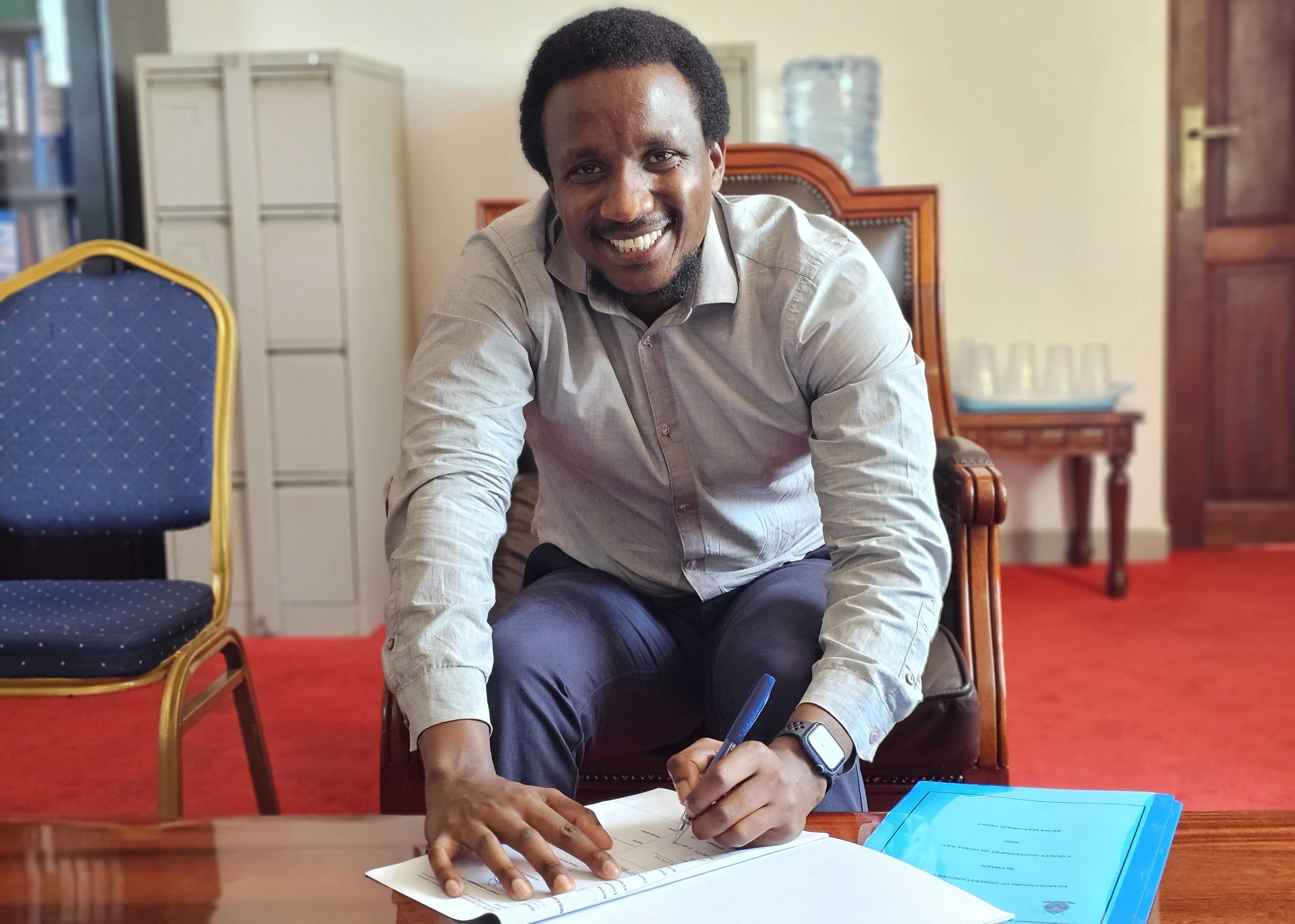
Akiba Mashinani Trust (AMT) signed an official Memorandum of Understanding (MoU) with the County Government of Homa Bay to support the development of a Local Physical and Land Use Development Plan for Homa Bay Municipality. This officially recognized the People's Adaptation Planning process as a comprehensive development framework for the municipality and formalized the working relationship between the County and AMT.
July to September 2024: Stakeholder Consultations and Consortia Formation
.jpg)
AMT led efforts to map key actors and convene a diverse group of stakeholders including County officials, academic experts, local leaders, and civil society organizations. This led to the formation of steering committees for strategic guidance and consortia to drive the planning process on the ground.
July 2024: GCA Signs Agreement with Akiba Mashinani Trust

GCA signed an agreement with local partner, AMT, to support the implementation of the People's Adaptation Planning process, covering the informal settlements of Makongeni, Sofia, and Shauri Yako in addition to a situational analysis of A Thousand Street, Remba, and Ringiti as areas for climate-resilient community adaptation.
November 2023: Homa Bay Commits to a People's Adaptation Plan

GCA, with support from UCLGA and AMT, facilitated an exchange between representatives from Nairobi and Homa Bay County to introduce the Mukuru approach, a model for locally led planning in informal settlements. The exchange, which included a reciprocal visit by Homa Bay officials to Mukuru, secured the full support of Homa Bay County Governor Gladys Wanga for implementing a People's Adaptation Planning process in her County. Following the exchange, GCA committed to backing the initiative through its Africa Adaptation Acceleration Program (AAAP), with the intention of linking the planning process to investments under the African Development Bank's Kenya National Urban Water and Sanitation Program.
Learn more
March 2023: Launch of Call for Expressions of Interest

GCA in collaboration with United Cities and Local Governments of Africa, launched a Call for Expressions of Interest at the Second Forum on Local and Regional Governments in Abidjan, Côte d’Ivoire, for interested mayors to be supported in implementing a locally led approach to building climate resilience of the urban poor. The Call elicited a response from Homa Bay County Governor Gladys Wanga, who expressed keen interest to implement the locally led People's Adaptation Planning approach in her County.